Expanding into Saudi Arabia sounds exciting until paperwork slows everything down. Understanding the Saudi embassy attestation and current attestation fees becomes essential before signing contracts or shipping goods. Saudi embassy attestation charges and fees vary depending on the document type, invoice value, and country of submission, such as UAE, Kuwait, or Qatar. Without proper verification, commercial documents may face rejection at customs or banking channels. That delay can cost both time and money.
Businesses that prepare early avoid penalties and shipment holds. Clear knowledge of the process helps you budget accurately, meet compliance rules, and move forward in the Saudi market with confidence and zero unnecessary stress.
What Is Saudi Embassy Attestation for Commercial Documents?
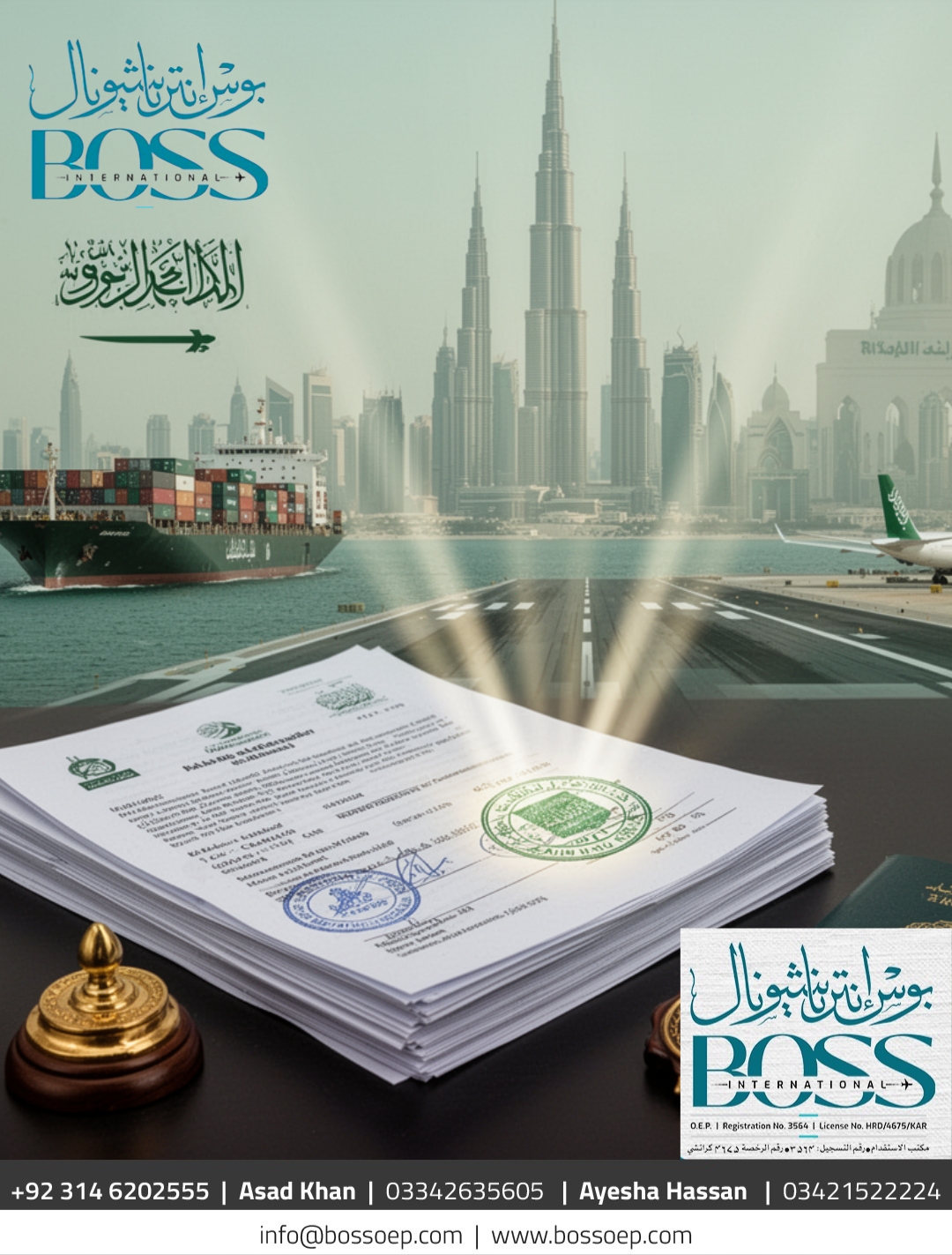
Saudi Embassy Attestation Charges and Fees for Commercial Documents apply when you submit commercial documents for official use in Saudi Arabia. This process confirms authenticity through layered document verification. First comes Chamber approval. Then MOFA reviews. Finally, the Saudi consulate or Saudi embassy stamps the file. This chain transforms private paperwork into legally accepted records. Many confuse it with certificate legalization for educational certificates or personal documents like a marriage certificate. However, commercial attestation focuses strictly on business-related material.
Each document type follows a compliance trail. For example, a trading firm exporting steel from Dubai must complete state authentication before embassy submission. Skipping one stage invalidates the file. Authorities in Saudi Arabia check seals carefully. Even signature placement matters. Accurate visa documentation sometimes links with attested invoices when staff travel for installation or inspection. This is where experienced agencies simplify coordination and reduce rejection risk.
Why Commercial Document Attestation Is Mandatory for Saudi Arabia
Saudi regulations require attested commercial documents for import clearance and tender approval. Customs officers reject unstamped invoices instantly. Banks refuse contract payments without proper embassy attestation. The Ministry of Commerce verifies company formation papers through strict compliance channels. Therefore, commercial attestation protects both buyer and seller from fraud. It also safeguards tax and customs transparency.
Consider a logistics firm in Qatar. The company shipped electronics without completing Saudi Embassy attestation. Customs halted the cargo for ten working days. Storage penalties increased daily. After emergency processing, they paid higher attestation fees than standard rates. This example shows why early compliance saves money. Reliable visa services often integrate attestation support because business mobility and documentation work side by side.
Types of Commercial Documents That Require Saudi Attestation
Saudi authorities demand verification of various documents attested under commercial law. These include commercial invoices, certificates of origin, board resolutions, and powers of attorney. A memorandum of association also requires validation before branch registration. Each document type follows a slightly different fee scale. Yet all require consistent document verification at every stage.
Businesses sometimes mix educational certificates or personal documents within commercial files. That creates confusion. Employment contracts linked to a new project may require both HRD authentication and embassy approval. For companies hiring foreign engineers, visa coordination links with Kuwait work visa stamping or regional labor clearance through a Kuwait manpower agency. Integration between business compliance and immigration ensures smooth project launches across Gulf markets.
Step-by-Step Process for Saudi Embassy Attestation
The process begins locally. A Chamber of Commerce validates company signatures. Then the Ministry of Foreign Affairs confirms legitimacy through state authentication. After that, the Saudi Embassy or Saudi Consulate reviews seals carefully. Officers check formatting consistency and trade license validity. Final stamping completes the embassy attestation cycle.
Saudi Embassy Attestation Charges and Fees for Commercial Documents – Process Flow
Processing usually spans three to seven working days depending on the country and urgency. Express service reduces waiting time yet increases attestation fees. Accurate submission prevents rejections. Missing stamps delay everything. Experienced consultants review every page before embassy filing. Many firms combine attestation with visa documentation for project managers traveling to supervise installations in Riyadh or Jeddah.
Saudi Embassy Attestation Charges for Commercial Documents
Saudi Embassy Attestation Charges and Fees for Commercial Documents vary by country and document value. Fees depend on invoice amount and business nature. Government tariffs update periodically. Below is a general comparison for guidance.
| Country | Chamber Fee | MOFA Fee | Saudi Embassy Fee | Estimated Processing Time |
| UAE | Moderate | Fixed Rate | Based on invoice value | 3–5 Working Days |
| Qatar | Moderate | Fixed Rate | Variable commercial scale | 4–6 Working Days |
| Kuwait | Moderate | Fixed Rate | Value dependent | 3–7 Working Days |
Higher invoice values attract higher attestation fees. Urgent submissions cost more. Therefore, budgeting correctly prevents surprises. Transparent fee structures build trust and financial clarity.
How Long Does Saudi Embassy Attestation Take?
Processing time depends on workload and national holidays. On average, the full cycle completes within five working days. Peak trade seasons may extend timelines. Incorrect stamping doubles waiting periods. Accurate document verification prevents such delays. Businesses planning product launches should initiate attestation weeks in advance.
Speed matters, especially when contracts link with manpower deployment. A company recruiting technicians for a job in Dubai or a Saudi project must align visa stamping with commercial file approval. Delays disrupt site mobilization. Coordinated visa services streamlines both compliance channels simultaneously.
Documents Required for Saudi Commercial Attestation
Submission requires the original commercial file, chamber stamp, MOFA seal, and company trade license copy. Passport copies of authorized signatories often accompany the request. An authorization letter ensures lawful representation. Clear formatting supports quick approval. Authorities examine seals under strict inspection.
Supporting files may include translated contracts. Arabic translation errors cause rejections. Therefore, professional review safeguards approval. Companies managing large export volumes should maintain organized compliance folders. Consistency across documents attests to future applications and reduces repeated scrutiny.
Common Challenges in Saudi Commercial Attestation
Mistakes happen easily. A minor mismatch in signature blocks can void approval. Expired trade licenses halt the process instantly. Invoice valuation discrepancies trigger deeper investigation. Some applicants confuse personal documents like a marriage certificate with commercial files. That leads to incomplete submissions.
Another challenge involves coordination with manpower agencies. When documentation links to labor deployment through a Kuwait manpower agency, both commercial and employment papers must align. Lack of synchronization creates embassy queries. Early document review prevents unnecessary embassy visits and financial penalties.
Saudi Embassy Attestation in the UAE vs Qatar
Procedures in the UAE move slightly faster due to digital MOFA systems. Qatar sometimes requires additional verification layers. Fee differences remain minor, yet timelines vary. Kuwait follows a similar route, though coordination with labor approvals may extend processing. Each country applies consistent Saudi compliance standards.
Businesses operating across borders should maintain uniform documentation templates. That reduces regional discrepancies. Whether processing in Dubai or Doha, the Saudi embassy checks authenticity rigorously. Early planning minimizes operational risk and protects international contracts.
Why Choose a Professional Attestation Service for Saudi Commercial Documents?
Handling Saudi Embassy Attestation Charges and Fees for Commercial Documents alone can feel overwhelming. Regulations change. Fee scales shift. A reliable agency ensures precision and speed. Boss International supports businesses across the UAE, Kuwait, Qatar, and Saudi Arabia with structured compliance strategies. Their experience in commercial attestation and integrated visa services reduces costly errors.
Companies also benefit from advisory support related to the best job visa service pathways and manpower coordination. When documentation and mobility align smoothly, projects launch faster. Boss International provides clarity in complex regulatory landscapes so businesses focus on growth instead of paperwork delays.
Frequently Asked Questions
How much is the Saudi Embassy attestation fee?
The attestation fees depend on the document value and country, but commercial documents usually cost more than personal or educational files and are finalized by the Saudi embassy after MOFA approval.
What is the process for Saudi Embassy attestation in the UAE?
The process includes chamber verification, MOFA UAE stamping, and final embassy attestation from the Saudi embassy or Saudi consulate.
How long does Saudi Embassy attestation take?
It normally takes 3 to 7 working days, depending on document type and urgency.
Which documents require Saudi Embassy attestation?
All major commercial documents, educational certificates, and certain personal documents used in Saudi Arabia require attestation.
What are the fees for Saudi Embassy attestation for educational documents?
Fees for educational certificates are usually lower than commercial papers and vary based on verification stages and embassy charges.