Opportunities for semi skilled jobs in Saudi Arabia from Pakistan are expanding faster than ever, and you can feel the momentum across the Gulf region. Massive development projects, rising industrial activity, and long-term planning have created steady demand for capable hands. For many Pakistani workers, these roles offer more than income. They provide stability, growth, and real overseas exposure. Employers in Saudi Arabia now search for experience, reliability, and adaptability rather than formal degrees.
This shift opens doors for electricians’ helpers, technicians’ assistants, drivers, and factory support staff. With structured overseas employment systems and legal hiring channels, semi-skilled work has become a practical and rewarding path for thousands seeking a better future.
Vision 2030 and Saudi Arabia’s Massive Workforce Demand
Saudi Vision 2030 changed the country’s economic direction overnight. Instead of relying only on oil, the Kingdom pushed into construction, tourism, healthcare, and manufacturing. These sectors demand hands-on talent, not only engineers. That’s where semi-skilled workers come in. Large-scale development created a gap between skilled labour and general labour, and semi-skilled roles filled it fast.
For example, NEOM alone requires thousands of workers yearly. According to Vision 2030 official updates, infrastructure expansion needs continuous manpower recruitment. As timelines shrink, contractors prefer workers who already understand tools and safety. This reality explains why Saudi Vision 2030 keeps pulling talent from Pakistan.
Why Saudi Arabia Prefers Semi-Skilled Workers from Pakistan
Trust plays a quiet role in overseas employment. Saudi employers value consistency, and Pakistani workers have built that reputation over decades. Many arrive with experience from Gulf projects, which reduces training time. They adapt quickly and respect workplace discipline.
Another reason is cost balance. Semi-skilled roles offer value without the high wages of fully skilled labour. Employers see better output per riyal spent.
Strong Pakistan–Saudi Arabia Labour Relations
Government cooperation shapes migration flows. Pakistan and Saudi Arabia maintain structured labour agreements. These agreements regulate manpower recruitment, wages, and worker rights. Such coordination protects both employers and employees.
The Ministry of Overseas Pakistanis ensures that employment contracts meet Saudi law. This system builds confidence for long-term hiring. When labour relations remain strong, recruitment pipelines stay open even during global downturns. That stability explains why worker deployment rarely slows down between these two countries.
High-Demand Semi-Skilled Jobs in Saudi Arabia
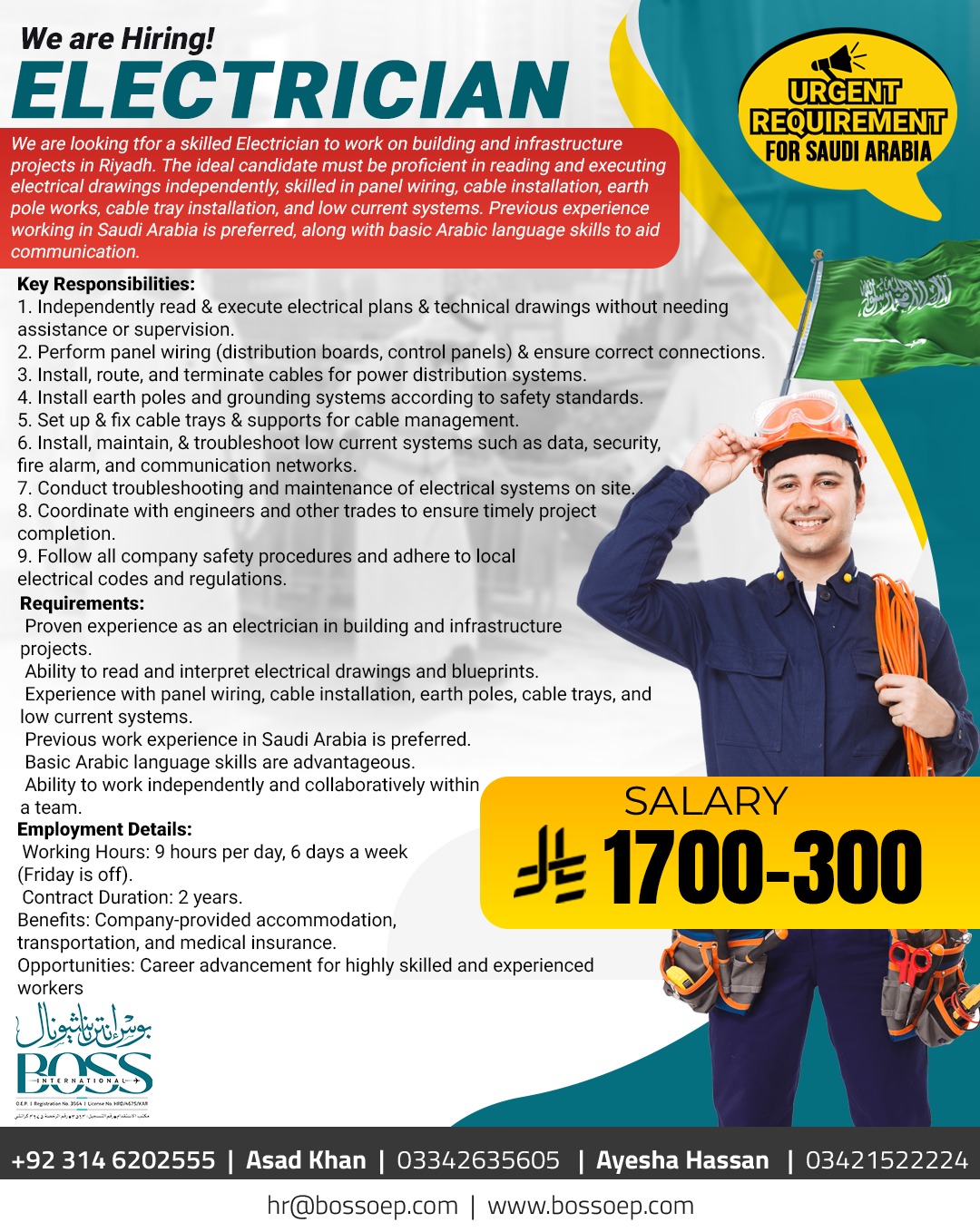
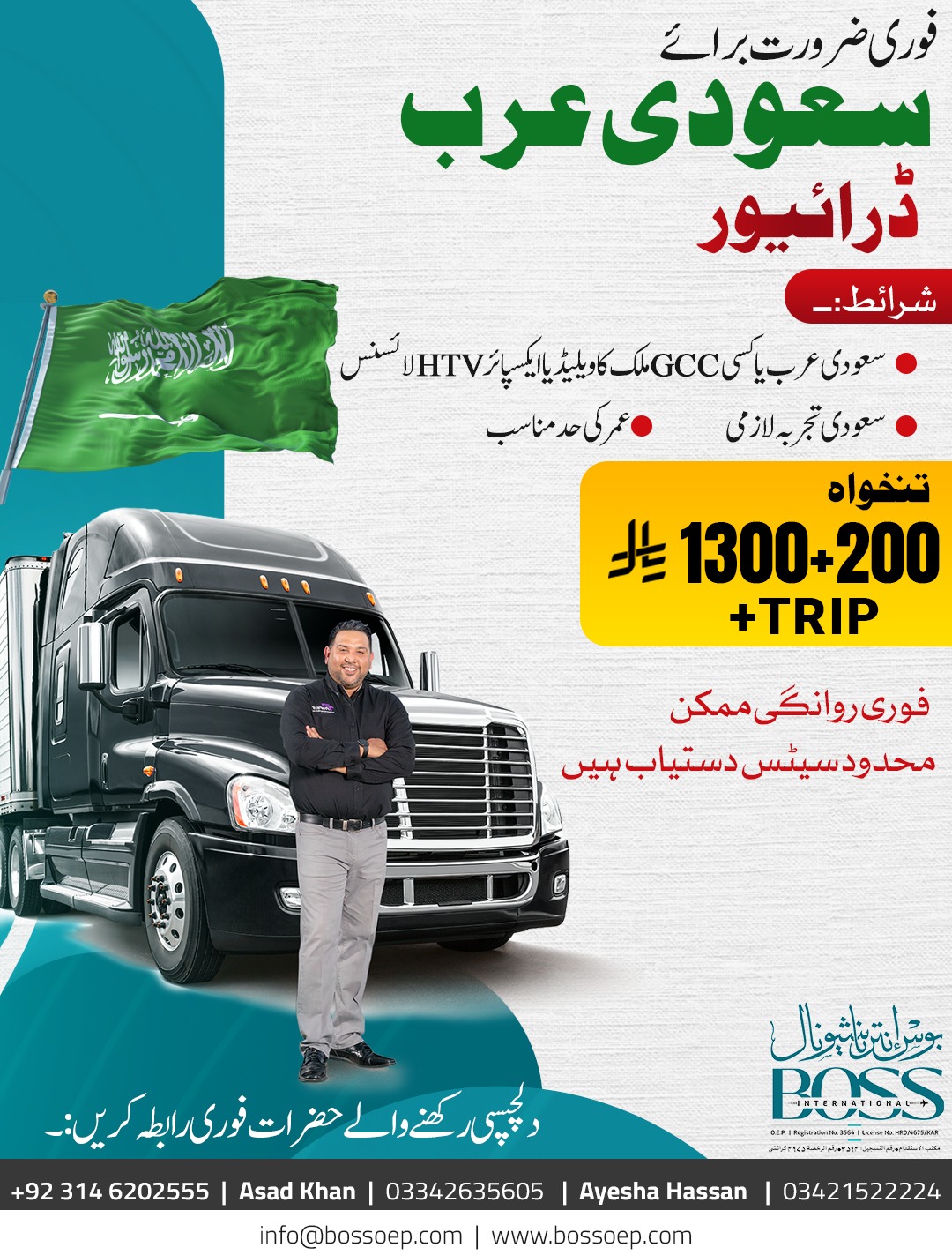
Demand centres on roles that support daily operations. Construction manpower remains the largest segment. Helpers, shuttering carpenters, electricians, and equipment assistants keep sites active. Oil and gas jobs also rely on semi-skilled technicians who assist engineers and operators.
Factories, warehouses, and hospitals now recruit semi-skilled support staff and drivers as well. Healthcare staffing includes attendants and technical aides who handle essential tasks. These jobs don’t require degrees. They require experience and reliability, which Pakistani workers provide.
Better Salaries, Job Security & Benefits for Pakistani Workers
Money matters. Saudi salaries remain higher than similar roles in South Asia. Most contracts include free housing and transport. That reduces living costs. Workers send more home.
Job security also stands out. Many semi-skilled roles run on renewable contracts. Employers extend terms when performance stays strong. Overtime pay and legal protections add confidence. Overseas employment becomes not just a job but a stable income path.
Role of Licensed Recruitment Agencies in Pakistan
A licensed recruitment agency acts as a bridge, not a broker. It ensures ethical practices and legal hiring. Agencies registered with the government manage visa processing, interviews, and approvals.
Boss International focuses on transparent hiring for Saudi Arabia, Qatar, Kuwait, and the UAE. They guide applicants through document attestation and employer verification. This structure protects workers from fraud and delays. Ethical practices matter more now than ever.
Complete Recruitment Process for Saudi Semi-Skilled Jobs
Recruitment starts with employer demand approval. Candidates then go through trade testing to verify skills. This step saves employers time and reduces on-site risk. After selection, visa processing begins.
Medical tests confirm fitness. Authorities require them before stamping visas. Workers then attend pre-departure orientation. This session explains Saudi culture, laws, and job roles. Finally, worker deployment occurs under approved schedules. Each step follows Saudi law.
Industries Hiring Semi Skilled Pakistani Workers in Saudi Arabia
Different sectors drive demand. Construction manpower dominates urban projects. Oil and gas jobs support refineries and rigs. Manufacturing plants hire technical helpers. Healthcare staffing fills support gaps in hospitals.
Below is a snapshot of industries served and their demand focus.
| Sector | Demand Level | Key Roles |
| Construction | Very High | Helpers, carpenters |
| Oil & Gas | High | Technical assistants |
| Healthcare | Medium | Support staff |
| Manufacturing | High | Machine helpers |
This diversity keeps demand steady year-round.
Why Semi-Skilled Jobs Are a Long-Term Career Opportunity
Many workers start semi-skilled and grow into skilled labour roles. Experience becomes currency. Gulf exposure opens doors in the UAE and Qatar as well. Employers value familiarity with safety standards and workflows.
One worker from Faisalabad spent three years as a helper. He now supervises teams. Stories like this repeat often. Overseas employment builds careers, not just savings.
How to Apply Safely for Semi Skilled Jobs in Saudi Arabia from Pakistan
Safety begins with verification. Always confirm agency licences. Never trust offers without official employment contracts. Genuine recruiters explain costs clearly and avoid shortcuts.
Reliable agencies provide project-based support and explain timelines honestly. Boss International follows this approach across Gulf markets. Transparency protects workers and ensures long-term success.
A Golden Opportunity for Pakistani Semi-Skilled Workers
Timing matters. Saudi Arabia continues to expand faster than the local labour supply. This gap favours Pakistani workers with basic skills. With ethical recruitment, clear contracts, and proper guidance, the path becomes smooth.
Semi-skilled jobs today lead to stronger futures tomorrow. For those ready to work hard, the door remains wide open in Saudi Arabia.
Frequently Asked Questions
How can I get a job in Saudi Arabia from Pakistan?
You can apply through a government-licensed recruitment agency that handles job matching, visa processing, and legal overseas employment.
What are the in-demand semi-skilled jobs in Saudi Arabia for Pakistanis?
Construction helpers, electricians’ assistants, drivers, mechanics, factory workers, and oil and gas support staff are in high demand.
Which are the best recruitment agencies in Pakistan for Saudi Arabia jobs?
Licensed agencies registered with the Ministry of Overseas Pakistanis and recognised by Saudi authorities are the safest and most reliable.
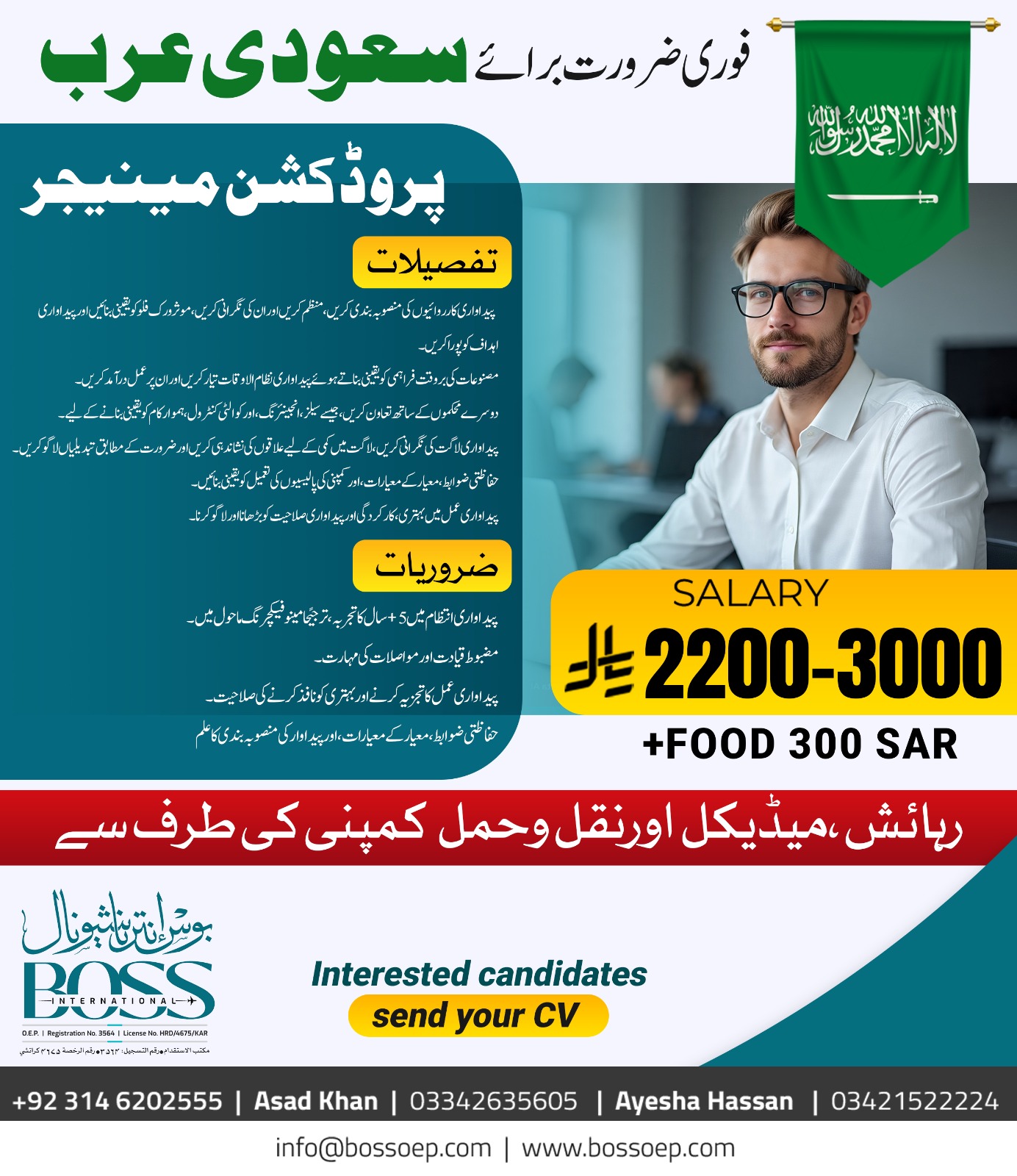
What is the salary for semi-skilled workers from Pakistan in Saudi Arabia?
Most semi-skilled workers earn between SAR 1,200 and SAR 2,500 per month, often with free accommodation and transport.
How to apply for a Saudi Arabia work visa from Pakistan for semi-skilled jobs?
Secure a job offer through a licensed agency, complete medical tests and documents, then submit your visa application via the Saudi Embassy.